Why Was This Call Charged That Much?
A customer questioning a call charge needs an explanation of the price applied and any allowance considered. In telecoms billing, that can involve the destination, duration, tariff revision, price date and discount rules, so the current tariff alone may not explain an older invoice.
SAFE CRM provides a route from the customer’s invoice to the available call-rating evidence. The aim is to give the team enough detail to explain the charge or identify what needs further investigation.
Follow the Charge From the Invoice
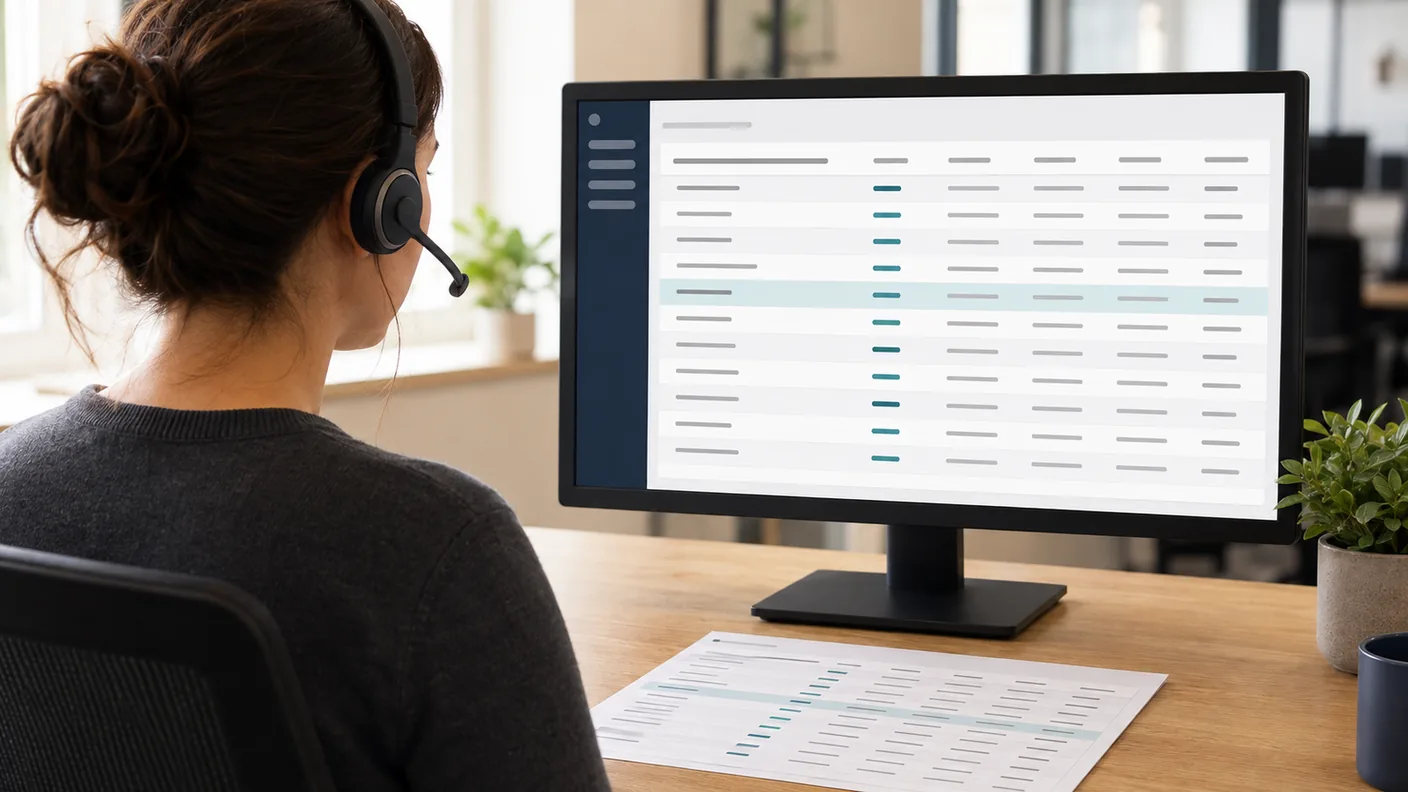
Open the invoice from the customer record and review the charge breakdown. The billed calls provide the next level of detail, including the called number, time, duration and amount. From an individual call, staff with appropriate access can inspect its rating evidence.
Rating is the process that applies pricing rules to usage. The evidence can identify the retail tariff and revision, the matching rate row where captured, and how the tariff was selected. Where a price lock changes the relevant rate date, that context can also matter.
This preserves the link between the customer’s question and the specific charge being examined.
Check the Allowance Decisions
A call may be correctly rated at the standard price because it did not meet an allowance’s conditions. Alternatively, an expected bundle may have been configured incorrectly. The distinction needs evidence.
The discount decision log shows candidate allowances in evaluation order, with the amount applied or the recorded reason for rejection. Read that alongside the customer’s service and agreed terms before reaching a conclusion.
For example, a question about an international destination requires checking the destination covered by the allowance, not simply confirming that the customer has a bundle of minutes.
Distinguish Recorded and Inferred Evidence
Evidence captured during rating records the pricing decision at that time. Backfilled evidence for older calls is inferred against the configuration available when the reconstruction ran. The interface identifies those sources separately.
An inferred record can assist investigation, but it should not be presented as a contemporaneous record of the original calculation. Some calls or parts of the evidence may have no captured record, so avoid promising a complete explanation for every historical charge.
This distinction is useful when a tariff has changed since the invoice was produced. It tells the reviewer which facts are recorded and which still need corroboration.
Keep Supplier Costs Within the Right Permissions
The evidence can also identify the tariff behind the reseller’s cost. That information is subject to the relevant buy-price permissions and should not be assumed to appear for every customer-service user.
Staff can explain a customer’s retail charge without necessarily having authority to inspect margin or change pricing. The shared workspace retains those access boundaries.
Carry the Investigation Through to an Outcome
If the charge is correct, provide the relevant itemisation and a clear explanation. If it is disputed, record the affected invoice, calls or transactions and the amount so that the appropriate collection hold can be considered.
An agreed adjustment then needs a credit request and authorised posting. Recording an intended credit in a case note does not change the account balance, and an account credit does not by itself return cash to the customer.
The billing queries page explains the associated invoice, payment and credit actions. Customer-service cases keep the investigation and communication history together.
Assess It With a Representative Query
Choose an invoice that your team has had to investigate, ideally involving an allowance or a historical price change. Follow the available evidence and check whether the response can explain both the charge and any remaining uncertainty.
Arrange a demonstration to see that route through SAFE CRM using a telecoms billing scenario relevant to your team.
Dr Paul Barrass
Founder & Technical Director, Safe Online Billing
Paul founded Safe Online Billing in 2005 and has built telecoms billing software for UK resellers for over 20 years. About the team →