
Billing Integrations for UK Telecoms Resellers
Connect SAFE with your existing business systems and payment providers.
How SAFE fits with the rest of your stack
A billing platform that cannot talk to the rest of your business creates more work, not less. SAFE plugs into the tools UK telecoms resellers already use, so customer records, invoices, and payments stay in sync without anyone copying data between systems.
Integration is no longer a nice-to-have. 90% of B2B buyers either agree or strongly agree that a vendor's ability to integrate with existing technology significantly influences their shortlist decision (Inbox Insight, 2025), and that matches what we hear from resellers evaluating SAFE.
Out of the box, that means automated Direct Debit through GoCardless, card payments through Stripe, and a REST API for your CRM, accounting, and provisioning tools. Custom carrier and back-office integrations are added on request.
Available Integrations
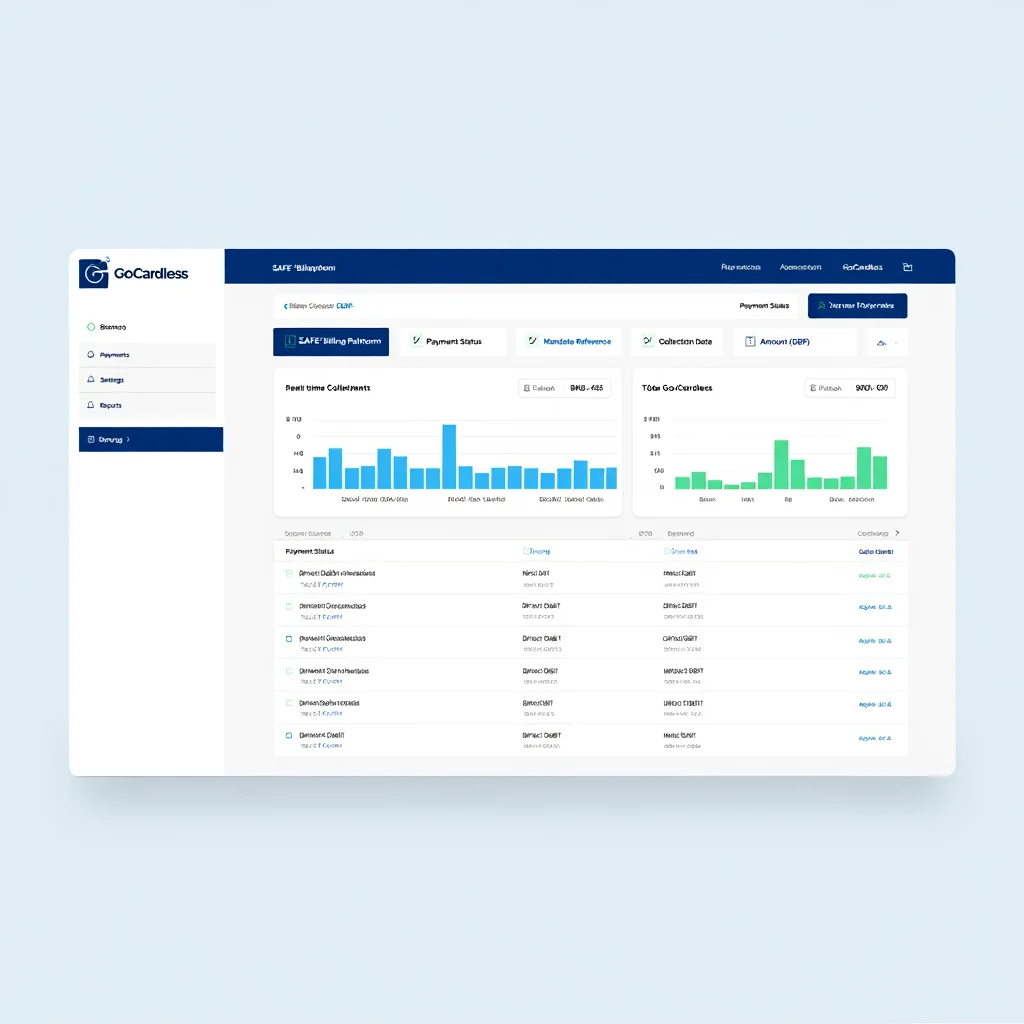
GoCardless
Automated UK Direct Debit collection through GoCardless. Best for predictable recurring charges, with high first-time collection rates and lower processing fees than card payments.
Learn more →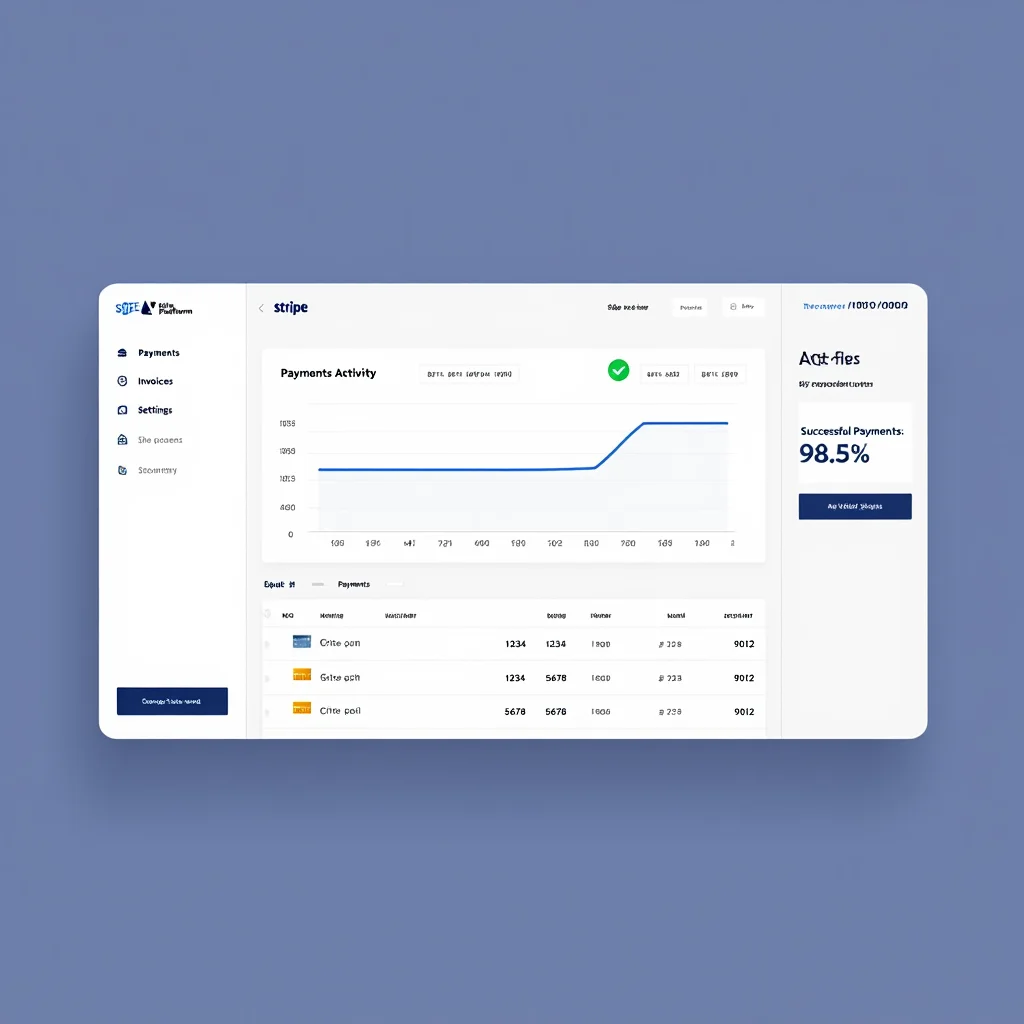
Stripe
Credit and debit card payments through Stripe. Card details are tokenised by Stripe so they never touch your systems, keeping your business out of PCI-DSS scope for the actual card data.
Learn more →AI Assistants
Connect Claude or ChatGPT to SAFE through the platform's built-in MCP server and ask billing questions in plain English. Per-user permissions, granular consent, and a full audit trail. Available now.
Learn more →API Access
REST API for connecting SAFE to your CRM, accounting software, provisioning system, or any custom tool. Token authentication, JSON payloads, and worked examples in the documentation.
Learn more →Integration Categories
Payment Providers
GoCardless for Direct Debit and Stripe for cards, with reconciliation, retries, and failure handling built in. Both are live integrations included with the platform, not add-ons.
Accounting Software
Sync invoices and payments to your accounting tool through the REST API. Xero is the package customers connect most often, walked through in the Xero Feature Spotlight.
Carriers and Business Systems
CDR ingest from UK carriers by SFTP, API, or email, plus REST endpoints for CRM, provisioning, and helpdesk tools. New carrier parsers are added on request.
What to expect when you integrate
Most integration projects follow the same three steps. The dates are typical, not promises, but they should help you plan the work in your end.
Scope and field mapping
A short call to agree which data moves between which systems, in which direction, and how often. We share the relevant API references and any worked examples that already exist for your target tool.
Sandbox build and test
Your developers get a sandbox token and build against a copy of your data. We are on hand for design questions, and you can replay real CDRs and invoices through the sandbox until the behaviour is right.
Go live with monitoring
We switch the production token on, watch the first billing run together, and leave webhook events flowing so your operations team sees payments and failures in real time, rather than chasing them after the fact.
Why integrate at all
Eliminate double entry
Enter data once and let it flow automatically between your systems. No copy-pasting, no mismatches between what billing thinks the customer has and what your CRM thinks.
Automate workflows
Trigger a provisioning job from a new customer record, or post invoices to your accounting tool the moment they are raised. End-to-end automation across systems without manual hand-offs.
One picture of the business
When billing, accounting, and CRM share the same data, your reporting tells one story. That matters for monthly board reviews and even more during a due diligence process.
Need help with integration?
Our team can help with setup, configuration, and custom integration development.
- ✓Integration consultation and field mapping
- ✓Setup assistance for GoCardless, Stripe, and Xero
- ✓Custom integration development for unique requirements
Integration Questions and Key Terms
Common questions about how SAFE connects to other systems, plus short definitions for the acronyms that come up most often in integration work.
How does SAFE integrate with payment providers?
Can I connect SAFE to my CRM or accounting software?
Is the API hard to work with?
What about carrier integrations?
Can I get a sandbox API key?
Does the API support webhooks for payment events?
How long does a typical integration take?
What does API mean?
What does REST mean?
What does PCI-DSS mean?
Ready to Connect Your Systems?
Book a demo and see how SAFE integrates with your payment providers and business tools.