
Managing Telecom Customer Accounts and Number Ranges
Your customer database is the foundation of everything in your billing platform. Every invoice, every rated call, every payment traces back to a customer record and their assigned numbers. When this data is clean and well-organised, billing runs smoothly. When it’s messy, errors multiply.
This guide covers how to manage customer accounts and telephone numbers effectively in SAFE.
Key Takeaways
- Clean customer and number data is the single biggest factor in a smooth billing run
- Stale number assignments are the most common source of unrated calls
- SmartSearch finds records instantly; QuickSearch builds multi-criteria queries for auditing your base
- Bulk imports handle hundreds of numbers at once and should always be previewed
- Build monthly and quarterly housekeeping into your routine to stop drift
Key terms in this article
What is a DDI range?
A DDI (direct dial-in) range is a block of contiguous telephone numbers assigned to a single customer, usually a business with multiple lines. Storing them as a range rather than individual entries keeps your database tidy and makes new-line setup much faster.
What is SmartSearch in SAFE?
SmartSearch is the fastest way to find a customer record. Type a name, account number, or phone number and SAFE returns results instantly. It’s designed for the lookup you do twenty times a day, not for complex filtering.
What is QuickSearch in SAFE?
QuickSearch is the more advanced filter tool. It lets you combine multiple criteria, for example “all active residential customers with a renewal in the next 90 days”, and is the right choice when you’re auditing your base rather than doing a one-off lookup.
Setting Up Customer Accounts
Every customer in SAFE needs a few essential pieces of information:
- Account details: company name, address, billing contact
- Billing preferences: payment terms, invoice delivery method, billing frequency
- Tariff assignment: which pricing structure applies to this customer
- Payment method: Direct Debit, card, or manual payment
Getting these right from the start saves trouble later. A customer without a tariff won’t have their calls rated. A customer without a payment method won’t be included in automated payment runs.
The customer management documentation covers all the fields available and what each one does. Tariff setup itself is covered separately in our call tariffs and pricing guide.
Managing Telephone Numbers
Telephone numbers are how SAFE links calls to customers. When a call detail record arrives, the platform looks up who owns the calling number and rates the call against their tariff.
This means your number assignments need to be accurate and current. Key tasks include:
- Adding new numbers when a customer takes on new lines
- Removing numbers when lines are ceased
- Moving numbers between customers when they port
- Bulk importing number ranges for new customers with many lines
The number management guide explains each operation. Whichever route a number takes onto your platform, getting the assignment right at your end is what keeps calls rated against the correct customer.
Working With Number Ranges
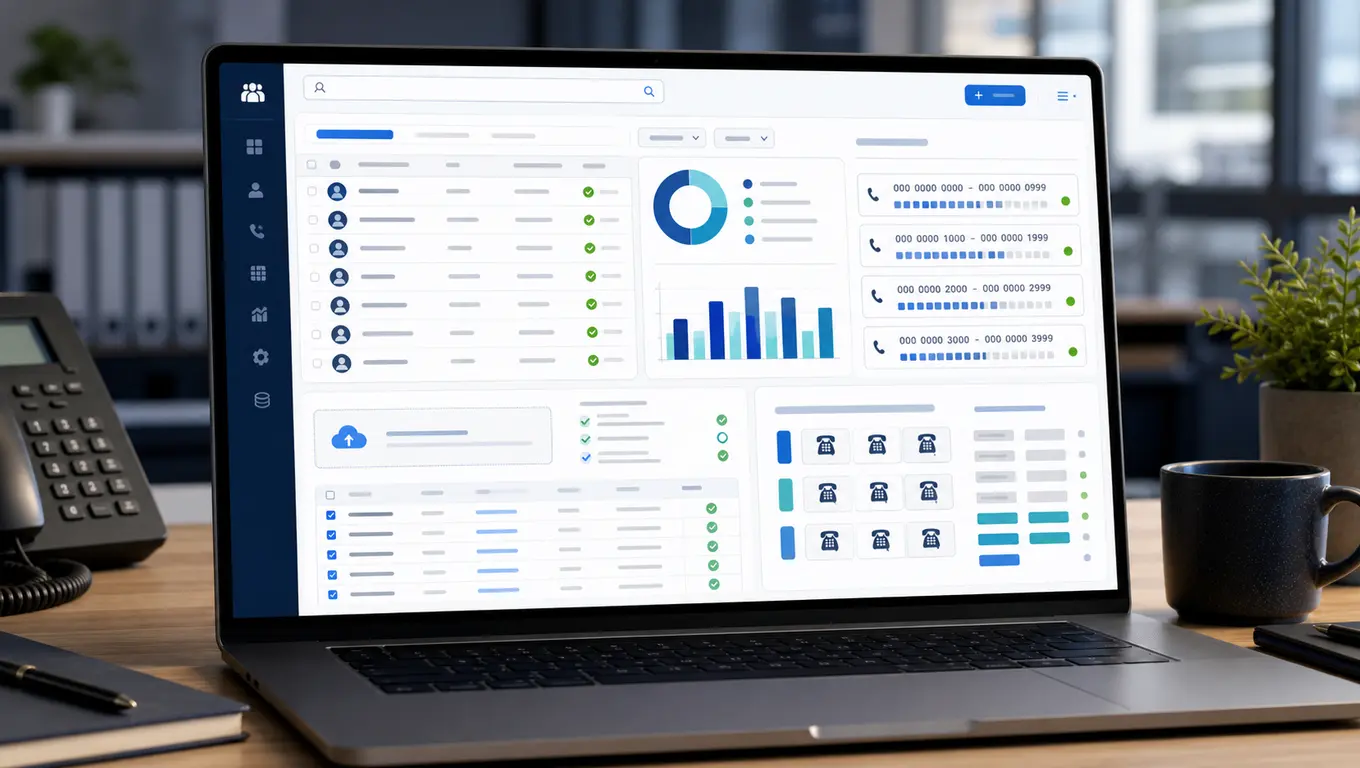
Most numbers are managed individually, one per line, which is how the majority of resellers work. SAFE also supports DDI ranges for customers with blocks of contiguous numbers, for example a business with the range 020 7946 0000 to 020 7946 0099 has 100 numbers that can be added as a single range rather than 100 separate entries.
Whether you store numbers individually or as ranges, keep them tidy. When a customer gives back a number or part of a range, update the records straight away. Stale number assignments are one of the most common causes of CDR processing errors.
Attaching Services and Features
Beyond phone numbers, customers often have additional services and features that need tracking and billing:
- Services: broadband, SIP trunks, hosted PBX, or any product you resell. The services documentation covers how to set these up.
- Features: call recording, voicemail, hunt groups, auto-attendant. Each feature can carry its own recurring billing charge. See the features documentation for details.
Linking services and features to the right customer ensures they appear on the correct invoice with the correct charges.
Finding What You Need: SmartSearch and QuickSearch
As your customer base grows, finding the right record quickly becomes essential. SAFE offers two search tools:
- SmartSearch: type a customer name, account number, or phone number and get instant results. Great for day-to-day lookups.
- QuickSearch: build more complex queries to filter by multiple criteria, for example all active residential customers with a renewal in the next 90 days.
The search documentation explains both tools and shows examples of useful search queries.
Bulk Operations
When you’re managing hundreds of customers with thousands of numbers, doing things one at a time isn’t practical. SAFE supports bulk operations for common tasks:
- Bulk number import: upload a CSV of numbers and assign them to customers in one go
- Bulk tariff changes: move a group of customers to a new tariff simultaneously
- Bulk feature assignment: add a feature to multiple customers at once
Always preview the changes before committing, especially when working at scale.
Data Housekeeping
Good data doesn’t stay good on its own. Build regular housekeeping into your routine:
Monthly Checks
- Review customers flagged with missing information
- Check for numbers not assigned to any customer
- Remove ceased numbers that are still in the system
- Verify that new customers have complete billing details
Quarterly Reviews
- Audit tariff assignments: are any customers on outdated tariffs?
- Review service and feature lists: do they match what’s actually provisioned?
- Clean up test accounts and demo data
When Customers Leave
- Remove or reassign all their telephone numbers
- Cancel any recurring charges
- Generate a final invoice for the notice period
- Archive the account rather than deleting it straight away: you may need the records for queries, audits, or VAT. Data retention rules will require you to delete it eventually, so set a review date in line with your retention policy
How Clean Data Improves Billing Accuracy
Every billing error has a root cause, and most trace back to data quality. Here’s how clean data helps:
- Fewer unrated calls: numbers are assigned to a customer with a valid tariff
- Accurate invoices: correct addresses, VAT numbers, and billing contacts
- Smoother payment collection: valid payment methods on accounts
- Faster error resolution: when issues arise, clean data makes them easy to diagnose
A clean database is also what makes the billing run feel routine rather than stressful.
Making the Most of Your Customer Data
The time you invest in maintaining good customer records pays off across the entire platform. Clean data means accurate CDR processing, correct recurring billing, and a useful customer portal experience for your end users.
Start with the customer management documentation and build good habits from day one.
Dr Paul Barrass
Founder & Technical Director, Safe Online Billing
Paul founded Safe Online Billing in 2005 and has built telecoms billing software for UK resellers for over 20 years. About the team →