
The Billing Run: A Step-by-Step Guide for Telecom Resellers
The billing run is the heartbeat of your reseller business. Get it right and everything flows smoothly: accurate invoices, happy customers, money in the bank on time. Get it wrong and you’re chasing errors, fielding complaints, and waiting for late payments.
This guide walks you through each step of a billing run in SAFE, from start to finish.
Key Takeaways
- GoCardless collects 97.3% of payments at the first time of asking, with up to 99.5% via intelligent retries (GoCardless, 2025)
- The seven-step billing run covers pre-billing checks, CDR supply, error review, invoice generation, post-billing reports, email delivery, and payment runs
- Pre-billing reports catch issues before they become invoice errors
- Clean customer and number data is the difference between a smooth run and a painful one
- SAFE is fully white-labelled, so every email and invoice your customers see carries your brand only
Key terms in this article
What is a billing run?
A billing run is the end-to-end process of turning a period’s worth of usage data and recurring charges into invoices, sending those invoices out, and collecting payment. Most resellers run this monthly, but SAFE supports multiple runs per month, so you can bill fixed services like broadband on schedule without waiting for CDRs to arrive.
What is a pre-billing report?
A pre-billing report is a summary SAFE produces before invoices are generated, flagging anything that looks wrong: customers without tariffs, numbers without owners, or unusual usage. Run it before you commit, not after.
What is aged debt?
Aged debt is the money your customers owe you, broken down by how long it has been outstanding. The older the debt, the harder it usually is to collect, so keeping a current view of it matters.
How Do I Perform a Billing Run?
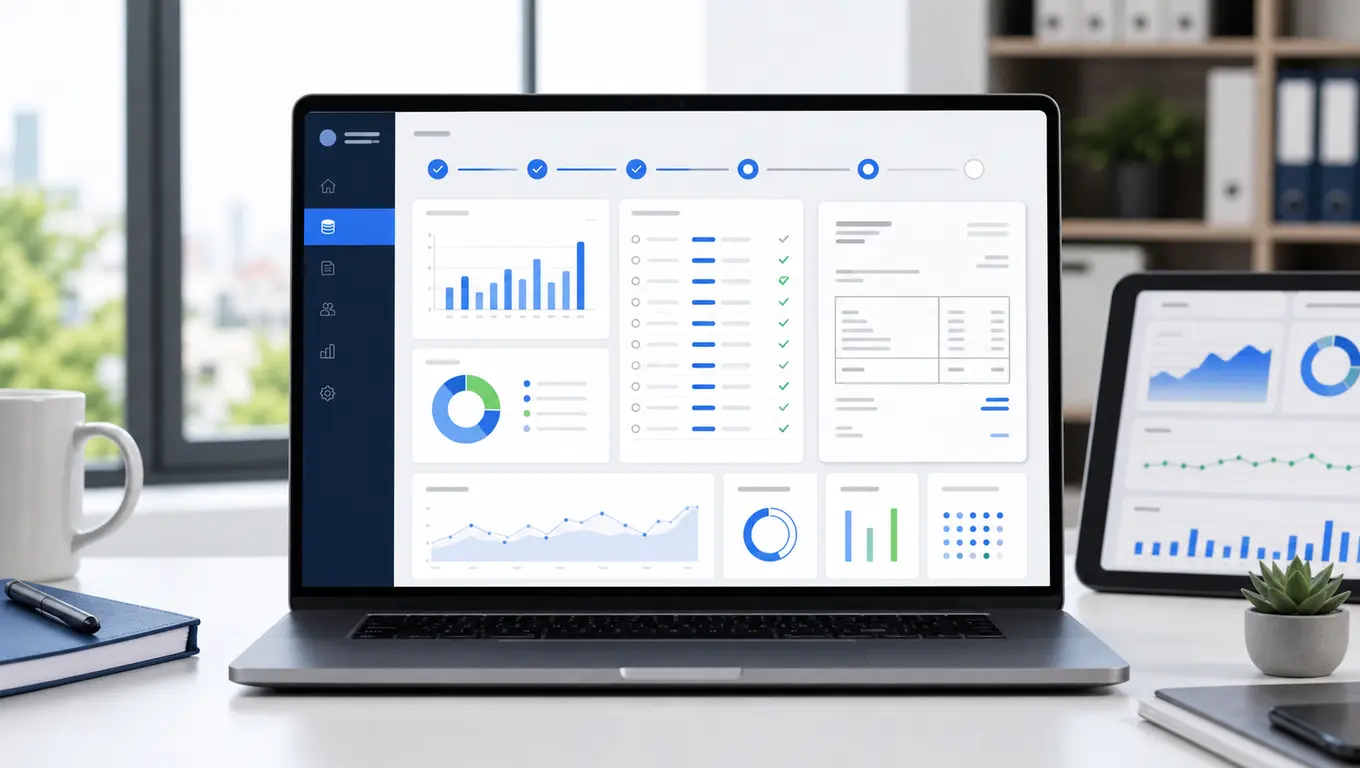
In SAFE, a billing run follows a clear seven-step sequence: pre-billing checks, CDR supply, error review, invoice generation, post-billing reports, email delivery, and payment collection. Each step builds on the last, and the platform guides you through the whole process.
Most resellers run a full cycle monthly, but you are not locked into one run per month. SAFE supports multiple runs in the same period, so you can invoice fixed services like broadband and line rental on their own schedule without waiting for the next batch of call CDRs to land. Some resellers bill weekly or quarterly for specific customer segments.
The billing run overview in our documentation covers the full workflow. The rest of this guide walks through each step in order.
Step 1: Pre-Billing Preparation
Before you start, check that your data is in good shape:
- Customer records are up to date: new customers added, leavers removed
- Tariffs are correct: any pricing changes have been applied (see our tariff and pricing guide, our SIP trunks and hosted PBX billing guide for IP voice rating, and our pounds-and-pence price-rise guide for Ofcom-compliant change wording)
- Recurring charges are set: line rentals, features and fixed fees are assigned
- Number ranges are accurate: all telephone numbers are linked to the right accounts (see our customer accounts and number management guide for the housekeeping side)
Run the pre-billing report to spot potential issues before they become invoice errors. This report highlights things like customers without tariffs or numbers that aren’t assigned to anyone.
Taking ten minutes to review this report can save hours of corrections later.
Step 2: Supply CDRs
Call detail records are the raw material for your usage charges. During this step, SAFE processes your CDR files and rates each call against the correct tariff.
The CDR supply process handles:
- Importing CDR files from your carrier
- Matching each call to the right customer and number
- Rating calls using your tariff structure
- Flagging any records that can’t be matched or rated
If you’ve set up automated CDR processing, this step largely takes care of itself. The platform pulls in your files, processes them, and gets everything ready for invoicing.
Step 3: Review Billing Errors
Even with the best data, some records won’t rate cleanly. Common causes include:
- Calls from numbers not assigned to any customer
- Destinations not covered by the customer’s tariff
- Duplicate CDR records
- Calls outside the billing period
The billing errors screen shows you exactly what went wrong with each record. You can fix the underlying issue and re-rate, or exclude records that genuinely shouldn’t be billed.
Don’t skip this step. Unresolved errors mean lost revenue or incorrect invoices.
Step 4: Generate Invoices
Once your CDRs are rated and errors are resolved, it’s time to create the actual invoices. SAFE combines:
- Rated call charges from the CDR processing
- Recurring billing items like line rental and features
- Any one-off charges or credits you’ve added
- Applicable VAT calculations
The invoice generation process creates a professional PDF for each customer. Each invoice includes a clear breakdown of charges.
Review a sample of invoices before moving on, particularly for any customers where you’ve made recent changes.
Step 5: Post-Billing Reports
Before sending anything out, review the post-billing report to make sure the numbers look right:
- Total invoiced amount across all customers
- Breakdown by charge type (calls, recurring, one-off)
- Comparison with previous billing periods
- Outstanding amounts and payment status
These reports are essential for spotting trends and catching problems. If your average invoice value drops unexpectedly, you want to know about it before the bills go out. For a deeper look at the KPIs you can build on this data, see our guide on using KPIs and reports to grow your reseller business.
Step 6: Email Bills to Customers
Once you’re happy with the billing run, it’s time to send the invoices out. SAFE’s email billing feature:
- Sends each customer their invoice as a PDF attachment
- Uses your own branding throughout, with no SAFE branding visible
- Tracks delivery status
- Handles customers with multiple billing contacts
Every email and invoice your customers receive looks like it comes entirely from your business. SAFE operates as a fully white-labelled platform.
You can also make invoices available through the customer portal so customers can download them at any time.
Step 7: Run Payments
The final operational step is collecting the money. SAFE integrates with payment providers to automate this through payment runs.
Direct Debit is the heavy lifter here. GoCardless reports an average UK Direct Debit first-time success rate of 97.3%, rising to up to 99.5% with intelligent retries (GoCardless, 2025). Cards typically settle in the 80–95% range, which is one of several reasons most UK resellers default to Direct Debit for recurring charges.
If you’ve set up payment collection through GoCardless or Stripe, SAFE can:
- Submit Direct Debit collection requests automatically
- Process card payments for customers paying by card
- Match payments to invoices when they clear
- Flag failed payments for follow-up
Once the payment run completes, the matching records can be pushed straight into your accounts via the Xero integration, keeping your books current with minimal effort.
Tips for Smoother Billing Runs
After thousands of billing runs, here’s what separates the smooth ones from the painful ones:
Keep Your Data Clean
- Update customer records as changes happen, not just at billing time
- Remove leavers promptly so they don’t generate zero-value invoices
- Check number assignments when customers add or remove lines
Build a Routine
- Run billing on the same day each month
- Allow enough time to review errors before invoices go out
- Don’t rush the pre-billing checks
Automate What You Can
- Set up automatic CDR imports so files are ready when you need them
- Use automated payment collection and an automated late-payment chasing sequence to reduce manual chasing
- Let the platform email invoices rather than sending them manually
Learn from Each Run
- Review post-billing reports every month
- Track your error rate over time: it should trend downwards
- Note any recurring issues and fix the root cause
Understanding the Full Process
For a broader view of how billing fits into the SAFE platform, our how it works page explains the end-to-end flow. The complete billing run documentation provides detailed guidance on every step covered here.
A well-run billing cycle doesn’t just keep your accounts in order. It builds trust with your customers and keeps your cash flow healthy.
Dr Paul Barrass
Founder & Technical Director, Safe Online Billing
Paul founded Safe Online Billing in 2005 and has built telecoms billing software for UK resellers for over 20 years. About the team →